What antiaging pharmaceuticals work best for skin rejuvenation?
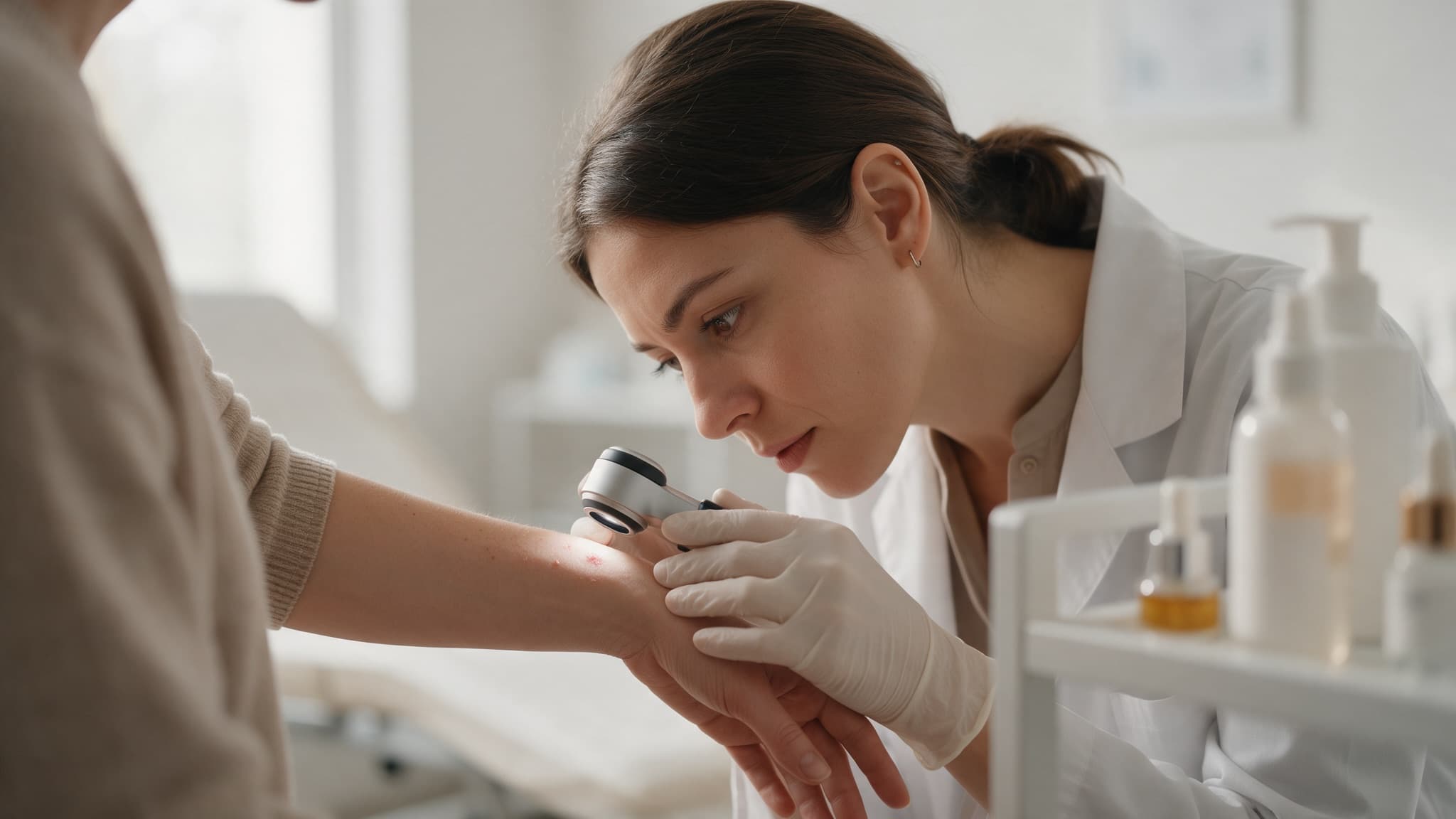
Skin rejuvenation means several different things — smoother texture, even tone, fewer lines, restored volume — and different prescriptions have evidence for different ones. Tretinoin cream improves texture, fine wrinkles and pigmentation together and ranks first. Hydroquinone and tranexamic acid have trials for dark patches; Botox-type injections for expression lines; fillers for volume. Systemic 'longevity' drugs like rapamycin have no skin evidence at all. Sunscreen underlies everything.
Skin rejuvenation is five outcomes — texture, pigmentation, dynamic lines, static volume and fine wrinkles — and the pharmaceuticals rank by which they have been shown to change in randomised trials: tretinoin first, because it improves texture, fine wrinkles and pigmentation together in decades of vehicle-controlled, histologically confirmed trials; hydroquinone and oral or topical tranexamic acid for pigmentation and melasma, with randomised evidence and known limits on duration; botulinum toxin for dynamic lines; hyaluronic-acid fillers for volume; azelaic acid and adapalene as gentler agents with smaller trials; low-dose oral isotretinoin, which has small trials for photoageing and a serious side-effect profile that keeps it a specialist option. The systemic 'anti-ageing' drugs — rapamycin, metformin, NAD precursors, senolytics — have no trial on any skin outcome and rank last for rejuvenation. Every pharmaceutical here works on a foundation of daily sunscreen, which is the only intervention with a randomised trial showing less skin ageing over time.
- Rejuvenation is not one outcome; the best pharmaceutical depends on which of texture, pigmentation, lines or volume is the problem, and tretinoin is the only one that moves three of them.
- Pigmentation has its own evidence base — hydroquinone, tranexamic acid, azelaic acid — with randomised trials and, for hydroquinone, limits on continuous use.
- Neuromodulators and fillers are procedures with trial evidence for one outcome each; they do not rejuvenate skin quality.
- Low-dose oral isotretinoin has real but small photoageing trials and a side-effect profile that makes it a dermatologist's decision, not a rejuvenation product.
- Systemic longevity drugs have no skin trials at all; 'rejuvenation' in their marketing is a metaphor.
Pharmaceuticals ranked on skin rejuvenation evidence
Ranked on: randomised human trials on one or more of the five rejuvenation outcomes — texture, pigmentation, fine wrinkles, dynamic lines, volume — weighted by how many outcomes the agent improves, trial quality, and the safety limits on its use.
| # | Option | Verdict | Grade |
|---|---|---|---|
| 1 | Tretinoin (topical) | Improves texture, fine wrinkles and pigmentation together | GRADE AEstablished |
| 2 | Hydroquinone (topical, time-limited) | The best-evidenced depigmenting agent, with duration limits | GRADE AEstablished |
| 3 | Tranexamic acid (oral or topical) for melasma | Randomised evidence for pigmentation; a clotting caveat | GRADE BPromising |
| 4 | Botulinum toxin | Dynamic lines only — decisively | GRADE AEstablished |
| 5 | Hyaluronic-acid fillers | Volume, on controlled trials; injector-dependent | GRADE BPromising |
| 6 | Azelaic acid (topical) | Pigmentation and texture, gentler, smaller trials | GRADE BPromising |
| 7 | Adapalene (topical) | Gentler retinoid; smaller photoageing trials | GRADE BPromising |
| 8 | Low-dose oral isotretinoin for photoageing | Small trials; a specialist's decision | GRADE CEarly |
| 9 | Topical vitamin C, niacinamide, alpha-hydroxy acids | Adjuncts for tone and texture | GRADE CEarly |
| 10 | Systemic longevity drugs — rapamycin, metformin, NAD precursors, senolytics | No skin trial of any kind | GRADE DInsufficient or unsafe |
- 01
Tretinoin (topical)
GRADE AEstablishedImproves texture, fine wrinkles and pigmentation togetherThe only pharmaceutical with randomised, vehicle-controlled, histologically confirmed trials across three rejuvenation outcomes at once: roughness, fine wrinkles and mottled pigmentation, over six to twelve months. Expected early irritation; needs sunscreen. If one prescription is to be called a skin-rejuvenation drug, it is this one.
- 02
Hydroquinone (topical, time-limited)
GRADE AEstablishedThe best-evidenced depigmenting agent, with duration limitsRandomised trials, alone and in the triple combination with tretinoin and a corticosteroid, show it is the most effective topical for melasma and solar lentigines. Use is limited to courses of a few months because of ochronosis risk with prolonged use, and it is restricted or prescription-only in many countries. Grade A for pigmentation, within its limits.
- 03
Tranexamic acid (oral or topical) for melasma
GRADE BPromisingRandomised evidence for pigmentation; a clotting caveatOral tranexamic acid at low dose improves melasma in randomised trials over eight to twelve weeks, with relapse on stopping; topical formulations have smaller trials. It is an antifibrinolytic, contraindicated with a history of thromboembolism and needing a clinician's screening — the caveat that keeps it at B.
- 04
Botulinum toxin
GRADE AEstablishedDynamic lines only — decisivelyApproved on randomised trials for glabellar, forehead and crow's-feet lines with the largest effect of any agent on that outcome. Rejuvenates one thing and nothing else: no effect on texture, tone or volume. Grade A for lines; not a skin-quality drug.
- 05
Hyaluronic-acid fillers
GRADE BPromisingVolume, on controlled trials; injector-dependentApproved devices with controlled trials for nasolabial folds, cheeks and lips over six to twelve months, reversible with hyaluronidase. Restores volume; does not change skin quality. Vascular complications make the injector the variable.
- 06
Azelaic acid (topical)
GRADE BPromisingPigmentation and texture, gentler, smaller trialsRandomised trials in melasma and acne show improvement in pigmentation and texture with a mild profile, and it is usable in pregnancy where hydroquinone and retinoids are not. Less effective than hydroquinone for pigmentation; a good tolerated option.
- 07
Adapalene (topical)
GRADE BPromisingGentler retinoid; smaller photoageing trialsImproves fine wrinkles and pigmentation in smaller randomised trials than tretinoin, with less irritation. Over the counter in some countries. An entry retinoid with real but thinner evidence.
- 08
Low-dose oral isotretinoin for photoageing
GRADE CEarlySmall trials; a specialist's decisionSmall randomised and open-label trials suggest improvement in photoageing measures with low-dose oral isotretinoin over several months, but the evidence is thin and the drug is teratogenic with lipid, liver and mood monitoring requirements. A dermatologist's option in selected patients, not a rejuvenation product.
- 09
Topical vitamin C, niacinamide, alpha-hydroxy acids
GRADE CEarlyAdjuncts for tone and textureSmall trials show improvements in tone, texture and pigmentation; effects on wrinkles are small and inconsistent. Useful in a routine around a retinoid; not pharmaceuticals in the prescription sense and not rejuvenation drugs on their own.
- 10
Systemic longevity drugs — rapamycin, metformin, NAD precursors, senolytics
GRADE DInsufficient or unsafeNo skin trial of any kindNone has a human trial on texture, pigmentation, wrinkles or any skin outcome. Topical rapamycin has one small trial on photoageing markers with no clinical endpoint. 'Rejuvenation' in their marketing is a metaphor borrowed from the skin literature they do not appear in.
Best-evidenced pharmaceutical, outcome by outcome
Five rejuvenation outcomes, five answers
| Outcome | Best-evidenced pharmaceutical | Second | Time to effect | Limits |
|---|---|---|---|---|
| Texture and roughness | Tretinoin | Adapalene; AHAs | 8–24 weeks | Irritation; sun sensitivity |
| Pigmentation and melasma | Hydroquinone (time-limited); tranexamic acid | Azelaic acid; tretinoin | 8–16 weeks | Ochronosis with prolonged hydroquinone; clotting screen for tranexamic acid |
| Fine photoageing wrinkles | Tretinoin / tazarotene | Adapalene | 12–48 weeks | Irritation; needs sunscreen |
| Dynamic lines | Botulinum toxin | — | 1–2 weeks; lasts 3–4 months | Procedure; trained injector |
| Volume loss and folds | Hyaluronic-acid filler | — | Immediate; lasts 6–12 months | Injector skill; vascular risk |
Frequently asked questions
What anti-ageing pharmaceuticals work best for skin rejuvenation?
It depends on the outcome: tretinoin for texture, fine wrinkles and pigmentation together (the only agent with randomised evidence across three outcomes); hydroquinone and tranexamic acid for melasma and pigmentation; botulinum toxin for dynamic lines; hyaluronic-acid fillers for volume; azelaic acid and adapalene as gentler options. Systemic longevity drugs such as rapamycin and metformin have no skin trials. Daily sunscreen underlies all of it.
Is tretinoin the best prescription for skin rejuvenation?
On evidence, yes: it is the only pharmaceutical with randomised, vehicle-controlled, histologically confirmed trials improving texture, fine wrinkles and pigmentation together over six to twelve months. It causes expected early irritation, increases sun sensitivity and is avoided in pregnancy; used with sunscreen and patience, it is the closest thing to a skin-rejuvenation drug that exists.
What is the best prescription for pigmentation and melasma?
Hydroquinone, alone or in the triple combination with tretinoin and a corticosteroid, is the best-evidenced topical, used in time-limited courses because of ochronosis risk with prolonged use. Oral tranexamic acid at low dose improves melasma in randomised trials but is contraindicated with a clotting history and needs screening. Azelaic acid is the gentler, pregnancy-safe option with smaller effects.
Does rapamycin or metformin rejuvenate skin?
No human trial shows either changing any skin outcome. Topical rapamycin has one small trial on photoageing markers without a clinical endpoint. 'Rejuvenation' in the marketing of systemic longevity drugs is a metaphor borrowed from a skin literature they do not appear in; they rank last for skin.
Is low-dose oral isotretinoin used for anti-ageing?
Some dermatologists use it for photoageing on the basis of small trials suggesting improvement over several months. The evidence is thin and the drug is teratogenic with lipid, liver and mood monitoring requirements, so it is a specialist's decision in selected patients rather than a rejuvenation product.
Can Botox or fillers improve skin quality?
No — each treats one outcome. Botulinum toxin relaxes the muscles behind expression lines; fillers restore volume. Neither changes texture, tone or fine wrinkles, which need a retinoid and, for pigmentation, a depigmenting agent. Combining a procedure with tretinoin addresses more outcomes than either alone.
Keep reading
- Which antiaging medicines deliver clinically proven wrinkle reduction results?
The wrinkle outcome in detail, by wrinkle type.
- Best longevity skincare routine to slow visible aging
Where each pharmaceutical fits in a daily routine.
- Anti-aging pharmaceuticals: what has actually been tested in people
Why the systemic drugs have no skin evidence.
- Skincare, graded
Every skincare intervention on the site by evidence tier.
More in Anti-aging pharma
- Is there a pill that can make you live to 150?
No pill has ever extended human lifespan in a trial. Here is what the compounds behind the 'live to 150' headlines actually proved, and in which species.
- Rapamycin for longevity: what the human evidence actually shows
The only 48-week human trial (PEARL, n=129) missed its primary endpoint. What rapamycin has actually shown, the real risks, and who should never take it.
- What are the most effective antiaging prescription treatments available?
Tretinoin, botulinum toxin and statins rank on randomised evidence above rapamycin, metformin and senolytics, which lack trial evidence for anti-ageing use.
- Which antiaging medicines deliver clinically proven wrinkle reduction results?
Botulinum toxin has the largest measured effect on dynamic wrinkles in randomised trials, ahead of tretinoin for photoaging and fillers for static folds.
- Which doctor-prescribed antiaging drugs are safest long term?
Statins and antihypertensives top the safety ranking with 30-plus years of data; growth hormone and testosterone 'optimisation' rank lowest, with real harm.
- How do I choose a medical-grade antiaging treatment plan?
A medical-grade anti-ageing plan measures first — blood pressure, ApoB, HbA1c — then treats only what's abnormal with on-label, proven drugs, and monitors.