Best advanced smartwatch for long-term cardiovascular monitoring.
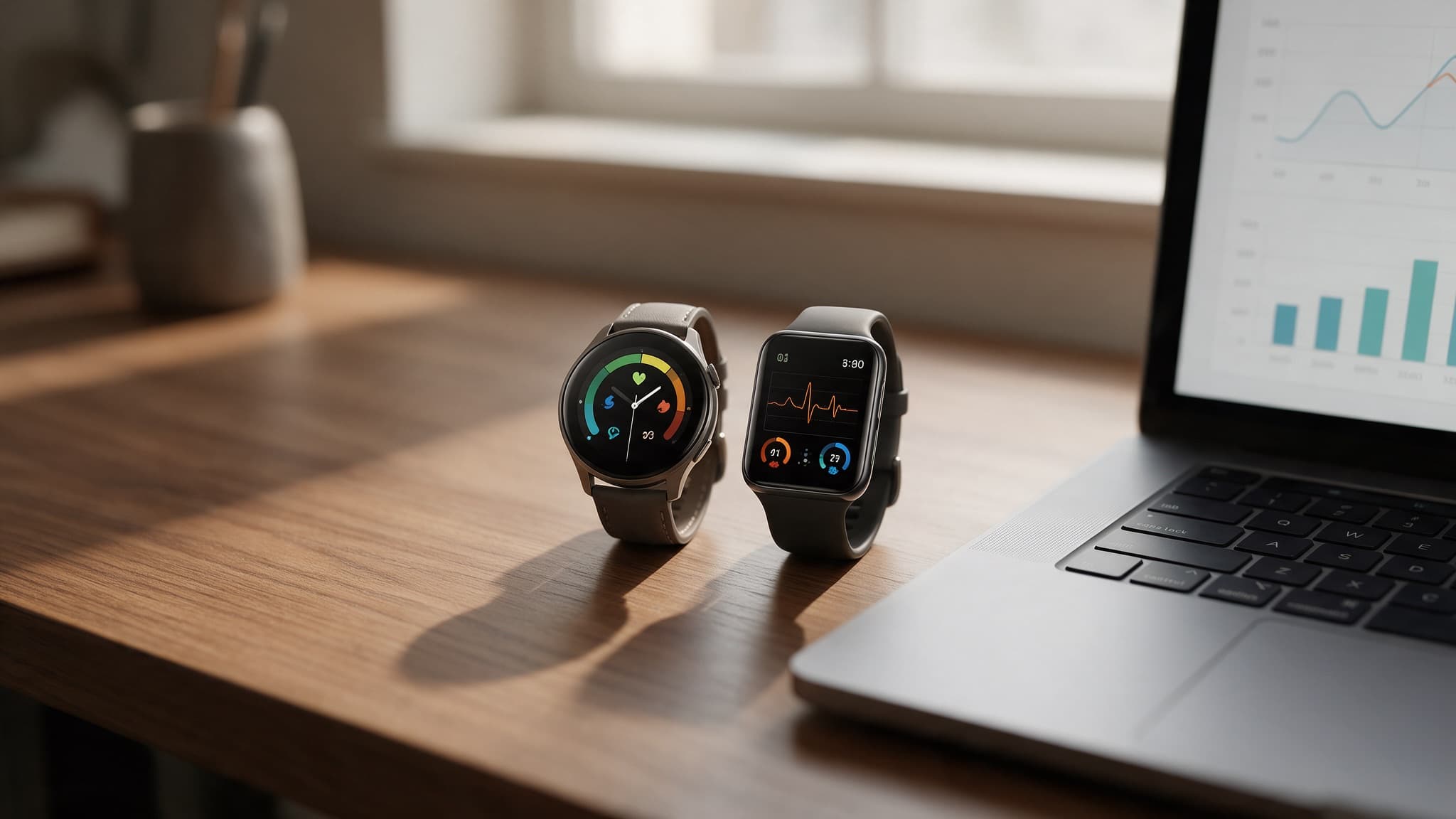
For genuine, ongoing cardiovascular monitoring over months and years — not a one-time check but continuous watching for a developing problem — Apple Watch and Samsung Galaxy Watch's irregular heartbeat notification feature is the strongest option available, since it's an actual cleared medical feature that runs continuously in the background with real evidence for catching atrial fibrillation. Garmin doesn't have this same cleared feature on most models, but it does track your resting heart rate trend over time, which is a genuinely useful long-term cardiovascular indicator, plus blood oxygen monitoring with solid sensors. Given how important heart health is, this is an area where it's worth being especially careful to choose based on actual medical clearance rather than general 'heart health' marketing claims.
Long-term cardiovascular monitoring is a health goal that warrants the highest evidentiary standard on this site, since the stakes of relying on an unvalidated feature for something as consequential as heart health are significant, and this ranking is restricted accordingly to devices and features with genuine clearance and evidence. Apple Watch ranks highest, with cleared irregular rhythm notification providing ongoing, long-term monitoring for atrial fibrillation with genuine outcome evidence, plus an on-demand ECG feature for spot-checking symptoms, together representing the most evidenced long-term cardiovascular monitoring available on a consumer wearable. Samsung Galaxy Watch ranks similarly, with comparable irregular rhythm notification and ECG clearance in supported regions, offering an equally strong evidenced option. Garmin ranks next, without the same cleared rhythm-detection features as Apple or Samsung in most models, but offering genuinely useful long-term resting heart rate trend tracking (a meaningful cardiovascular health indicator over time) and pulse oximetry monitoring with validated sensors, providing real longitudinal cardiovascular data even without the specific arrhythmia-detection clearance. For genuine long-term cardiovascular monitoring specifically — the kind of ongoing tracking meant to catch a developing issue over months and years, not a one-time check — Apple Watch and Samsung Galaxy Watch's cleared, continuously-running irregular rhythm notification feature represents the strongest available option, with Garmin serving as a reasonable alternative for long-term resting heart rate trend monitoring specifically for those prioritizing Garmin's other strengths.
- Long-term cardiovascular monitoring warrants an especially high evidentiary bar given the stakes involved.
- Apple Watch's continuously-running irregular rhythm notification is the strongest available long-term monitoring feature.
- Samsung Galaxy Watch offers comparable clearance and evidence to Apple Watch.
- Garmin lacks the same rhythm-detection clearance but offers genuinely useful long-term resting heart rate trend data.
- This specific health goal should be judged strictly on cleared features, not on broader AI cardiovascular risk scoring, which remains unvalidated across every brand.

Apple Watch
The strongest evidenced option for continuous, long-term monitoring
See the full rankingSmartwatches ranked strictly on evidenced cardiovascular monitoring
Ranked on: regulatory clearance and genuine clinical evidence for the specific cardiovascular monitoring feature, given the high stakes of this particular health goal.
| # | Option | Verdict | Grade |
|---|---|---|---|
| 1 | Apple Watch | The strongest evidenced option for continuous, long-term monitoring | GRADE AEstablished |
| 2 | Samsung Galaxy Watch | Comparable clearance and evidence to Apple Watch | GRADE AEstablished |
| 3 | Garmin | Useful long-term trend data; lacks the same rhythm-detection clearance | GRADE BPromising |
- 01
Apple Watch
GRADE AEstablishedThe strongest evidenced option for continuous, long-term monitoringCleared irregular rhythm notification runs continuously in the background over months and years with genuine outcome evidence for detecting atrial fibrillation, plus an on-demand ECG feature for spot-checking symptoms, together representing the most evidenced long-term cardiovascular monitoring combination on any consumer wearable.
- 02
Samsung Galaxy Watch
GRADE AEstablishedComparable clearance and evidence to Apple WatchOffers similar irregular rhythm notification and ECG functionality with comparable regulatory clearance in supported regions, providing an equally strong evidenced option for this specific, high-stakes purpose.
- 03
Garmin
GRADE BPromisingUseful long-term trend data; lacks the same rhythm-detection clearanceWithout the same cleared arrhythmia-detection feature as Apple or Samsung in most models, Garmin offers genuinely useful long-term resting heart rate trend tracking — a meaningful cardiovascular health indicator over time — combined with validated pulse oximetry sensors, providing real longitudinal data without the specific rhythm-detection clearance.


Why this specific goal warrants extra scrutiny
Features relevant to cardiovascular monitoring and their evidence status
| Feature | Evidence status | Suitable for long-term monitoring purpose? |
|---|---|---|
| Irregular rhythm notification (Apple, Samsung) | Cleared medical device feature; genuine outcome evidence for AFib detection | Yes — this is the specific, evidenced answer |
| On-demand ECG (Apple, Samsung) | Cleared for spot-check use | Yes, as a complement to continuous monitoring |
| Resting heart rate trend tracking (any brand, including Garmin) | Sound underlying measurement; a genuinely useful general indicator | Yes, as a general trend, not a diagnostic tool |
| Pulse oximetry (Garmin, others) | Validated sensor | Yes, as a general indicator, with less established individual action thresholds |
| General 'cardiovascular risk score' or 'heart age' (various brands) | Not independently validated against clinical outcomes | No — should not be relied upon for this purpose |
Frequently asked questions
What is the best advanced smartwatch for long-term cardiovascular monitoring?
Apple Watch and Samsung Galaxy Watch rank highest, with cleared irregular rhythm notification providing continuous, evidenced monitoring for atrial fibrillation over months and years, plus on-demand ECG for spot-checking. Garmin lacks this same rhythm-detection clearance in most models but offers useful long-term resting heart rate trend tracking and validated pulse oximetry as general indicators.
Can a smartwatch replace regular cardiology check-ups?
No — even the most evidenced consumer wearable features, like Apple Watch's irregular rhythm notification, are designed to prompt further medical evaluation rather than replace it, and regular cardiology care remains important for anyone with known cardiovascular risk factors or concerns, regardless of which wearable they use.
Is Garmin as good as Apple Watch for heart health monitoring?
For the specific, cleared arrhythmia-detection feature (irregular rhythm notification), Apple Watch and Samsung Galaxy Watch are stronger, since most Garmin models lack this clearance. Garmin does offer genuinely useful resting heart rate trend tracking and pulse oximetry as general cardiovascular indicators, which have real value even without the specific rhythm-detection feature.
Should I trust a smartwatch's 'heart age' or cardiovascular risk score?
No — these general risk scores, present on various brands, have not been independently validated against actual clinical cardiovascular outcomes, unlike the specific, cleared irregular rhythm notification feature, and should not be relied upon for genuine long-term cardiovascular monitoring purposes.
Why does Apple Watch's irregular rhythm notification matter for long-term monitoring specifically?
It runs continuously in the background over months and years, providing ongoing surveillance for atrial fibrillation that a one-time check or spot ECG cannot offer, which is specifically valuable for the 'long-term' framing of this question, since catching an intermittent arrhythmia often requires exactly this kind of continuous monitoring.
What should I do if my smartwatch detects an irregular rhythm?
Take it seriously and seek medical evaluation for a proper diagnosis, since this specific alert is a cleared feature with genuine evidence for detecting atrial fibrillation, though the decision about any resulting treatment, including anticoagulation, is a clinical one that requires a doctor's assessment rather than the watch's alert alone.
Keep reading
- Best AI health app for continuous heart rate monitoring.
The underlying heart rate monitoring evidence in more depth.
- Which wearable provides best proactive health risk alerts?
A related ranking on proactive cardiac and other alerts.
- Are Apple Watch or Garmin better for health tracking?
The broader head-to-head comparison between the two leading options here.
- Free stack check
Medicines that affect heart rate and rhythm readings.
More in Wearables & devices
- Best snoring solutions, ranked by evidence.
Mandibular advancement devices have real randomised-trial evidence for snoring and mild-to-moderate apnea; positional therapy and nasal strips rank below them.
- Which longevity tech robots offer the most accurate sensors?
Longevity robots are ranked on sensor accuracy against clinical references: validated peripherals beat camera-based fall detection and contactless vitals.
- Best longevity robots with advanced biometric monitoring sensors.
Care-programme telepresence robots rank first for biometric monitoring — validated sensors and a staffed nurse response — ahead of unvalidated consumer devices.
- How to choose longevity robots with reliable health sensors?
Choosing a longevity robot means checking each sensor's validation: attached validated devices pass; built-in contactless vitals and fall detection fail.
- High-end longevity tech robots featuring AI health sensors.
A higher price buys mobility, build quality and voice, not a validated health sensor. Enterprise telepresence robots are the only class with outcome evidence.
- What are the top-rated longevity robots for seniors?
Companion robots like ElliQ rank first for seniors, with sustained daily use and loneliness gains; PARO's best trial matched only a switched-off toy.