Best regenerative medicine treatments for osteoarthritis relief without surgery.
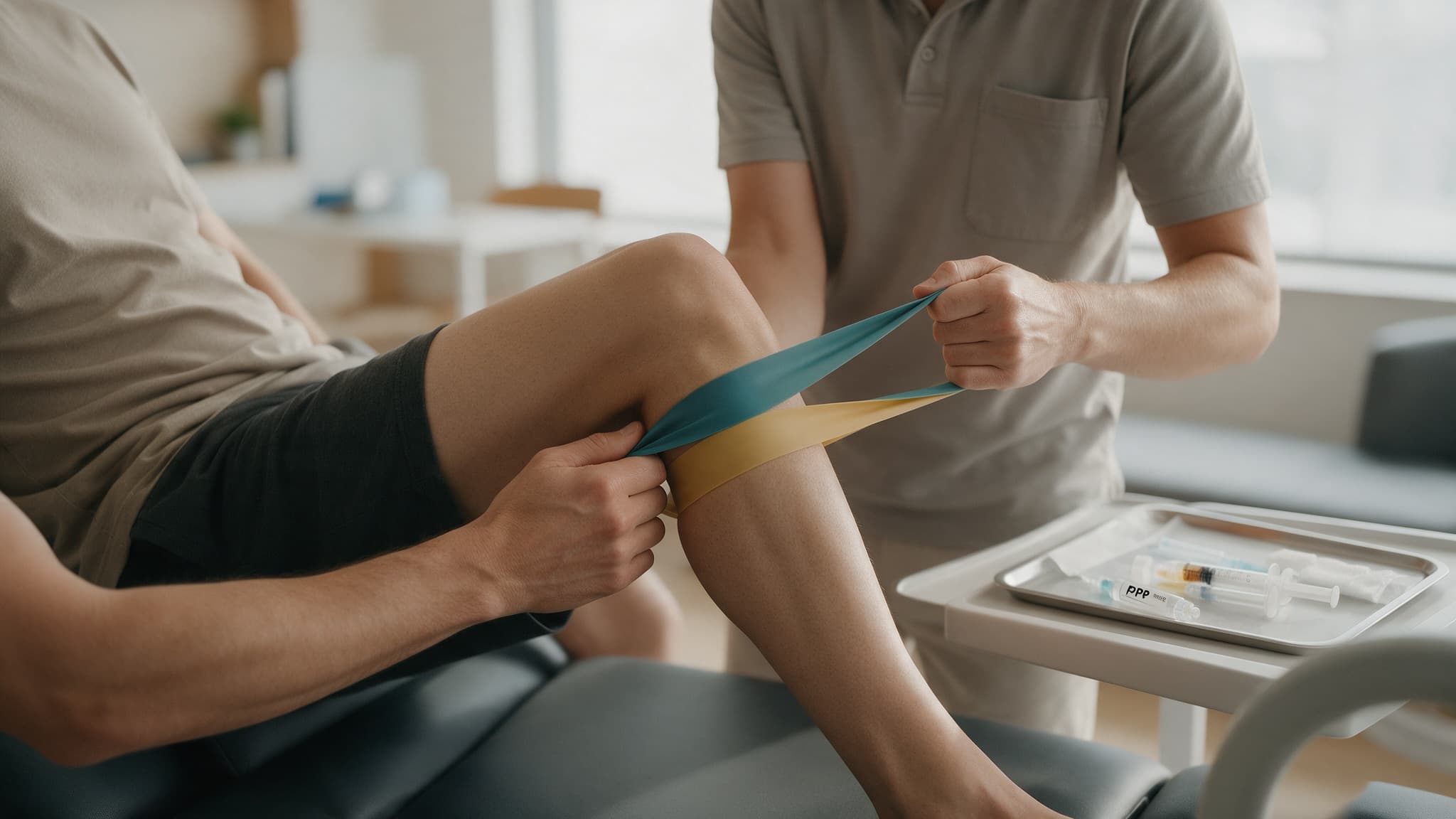
Relief from osteoarthritis without surgery comes from a programme: strengthening exercise first, weight loss (with semaglutide if you are obese), anti-inflammatory gel, a brace or cane if one side of the joint is worn, a steroid injection to get through a flare, and duloxetine if the pain has spread. PRP is a modest add-on; hyaluronic acid does little; stem-cell and exosome injections have not been shown to work. Done in that order over twelve weeks, most people get lasting relief.
Osteoarthritis relief without surgery comes from a programme rather than a product, and the components rank by how much relief they deliver and how long it lasts: a supervised exercise programme first (the largest and most durable effect of any non-surgical treatment); weight loss second, with semaglutide where obesity is present (a randomised trial showed a large fall in knee pain); topical NSAIDs for daily pain with a fraction of the tablet's risk; offloading braces, footwear and a cane for a single worn compartment; a corticosteroid injection for a flare that stops the programme; duloxetine for widespread pain sensitisation; PRP as a modest, low-risk adjunct once the programme is running; hyaluronic acid for small brief relief; and, at the bottom, bone-marrow and adipose 'stem cell' injections that have not beaten placebo and exosomes with no evidence. The regenerative injections are the least of the programme, not the centre of it. Assembled in that order over twelve weeks, most people with osteoarthritis get relief that lasts; the ones who do not are the ones for whom surgery is the right next step.
- The largest, most durable non-surgical relief for osteoarthritis comes from strengthening the muscles around the joint — it is a treatment, not advice.
- Semaglutide is the biggest new non-surgical osteoarthritis treatment in a decade, and it works by taking load off the joint.
- Topical NSAIDs, braces and a cane are underrated because they are cheap; each has trial evidence.
- Injections are adjuncts: steroid for a flare, PRP as a modest option, hyaluronic acid for little; none changes the joint.
- Regenerative injections sold as the answer are the least-evidenced components of a programme that works without them.
Non-surgical osteoarthritis treatments, ranked
Ranked on: randomised evidence for pain relief and functional improvement in osteoarthritis, weighted by effect size, durability, safety and cost. Regenerative and conventional treatments share one scale; the diagnosis is osteoarthritis throughout.
| # | Option | Verdict | Grade |
|---|---|---|---|
| 1 | Supervised exercise programme — strength, mobility, aerobic | Largest and most durable relief of any non-surgical treatment | GRADE AEstablished |
| 2 | Weight loss — diet, activity, and semaglutide where obesity is present | Relief proportional to weight lost; the drug made it achievable | GRADE AEstablished |
| 3 | Topical NSAIDs | Daily pain relief with a fraction of the oral risk | GRADE AEstablished |
| 4 | Offloading — unloader brace, footwear, cane | Mechanical relief for a single worn compartment | GRADE BPromising |
| 5 | Corticosteroid injection — for a flare | Weeks of relief to get the programme moving | GRADE BPromising |
| 6 | Duloxetine — for widespread or sensitised pain | Evidence where pain has outgrown the joint | GRADE BPromising |
| 7 | PRP injection | Modest, low-risk adjunct once the programme is running | GRADE CEarly |
| 8 | Hyaluronic-acid injection | Small, brief, safe | GRADE CEarly |
| 9 | Oral NSAIDs, short course; paracetamol | Short courses only; paracetamol does little | GRADE CEarly |
| 10 | Bone-marrow, adipose or cultured 'stem cell' injection | Not better than placebo consistently; not approved | GRADE DInsufficient or unsafe |
| 11 | Exosomes and IV cell products | No evidence; harm record | GRADE DInsufficient or unsafe |
- 01
Supervised exercise programme — strength, mobility, aerobic
GRADE AEstablishedLargest and most durable relief of any non-surgical treatmentQuadriceps and hip strengthening for the knee, hip abductor and core work for the hip, hand exercises for hand osteoarthritis — across dozens of randomised trials, exercise reduces pain and improves function with effects comparable to analgesics that persist after the programme ends. Supervised beats unsupervised; twelve weeks is the minimum dose. The centre of the programme.
- 02
Weight loss — diet, activity, and semaglutide where obesity is present
GRADE AEstablishedRelief proportional to weight lost; the drug made it achievableEach kilogram lost takes several kilograms of load off the knee with each step, and pain falls in proportion in trials. In a randomised trial in people with obesity and knee osteoarthritis, semaglutide produced substantial weight loss and a large reduction in pain over 68 weeks. Indicated by the obesity; transformative for the knee.
- 03
Topical NSAIDs
GRADE AEstablishedDaily pain relief with a fraction of the oral riskTopical diclofenac and similar relieve knee and hand osteoarthritis pain in randomised trials with minimal systemic absorption. First-line pharmacological treatment in guidelines; the pharmacist's replacement for the daily tablet.
- 04
Offloading — unloader brace, footwear, cane
GRADE BPromisingMechanical relief for a single worn compartmentA valgus unloader brace reduces pain and improves function in medial knee osteoarthritis in trials; a cane in the opposite hand cuts knee load substantially; supportive footwear helps. Cheap and immediate for the knee worn on one side.
- 05
Corticosteroid injection — for a flare
GRADE BPromisingWeeks of relief to get the programme movingReliable short-term relief; repeated use over years accelerates cartilage loss. Its role is to break a flare that is stopping exercise, a few times a year at most.
- 06
Duloxetine — for widespread or sensitised pain
GRADE BPromisingEvidence where pain has outgrown the jointRandomised trials show duloxetine reduces osteoarthritis pain, particularly where central sensitisation is present — pain that is widespread, disproportionate to the joint, with poor sleep and fatigue. Nausea and blood-pressure effects; interactions with other serotonergic drugs. A pharmacist's option for the pain the joint does not explain.
- 07
PRP injection
GRADE CEarlyModest, low-risk adjunct once the programme is runningModest benefit over hyaluronic acid and inconsistent benefit over placebo at six to twelve months in knee osteoarthritis meta-analyses; the largest placebo-controlled trial was null. Autologous and safe. A reasonable one-course trial for someone who wants an injectable, judged honestly at six months.
- 08
Hyaluronic-acid injection
GRADE CEarlySmall, brief, safeSmall benefit over placebo that several guidelines judge not clinically important, for weeks to months. Safe; low value.
- 09
Oral NSAIDs, short course; paracetamol
GRADE CEarlyShort courses only; paracetamol does littleOral NSAIDs work for osteoarthritis pain and carry kidney, cardiovascular and gastrointestinal harm that accumulates; short courses for flares are reasonable where topical fails. Paracetamol has minimal effect in osteoarthritis trials. Opioids have no place.
- 10
Bone-marrow, adipose or cultured 'stem cell' injection
GRADE DInsufficient or unsafeNot better than placebo consistently; not approvedThe better-controlled randomised trials show no advantage over placebo or hyaluronic acid on pain or cartilage; no product is approved for osteoarthritis; clinic preparations are unregulated. Not part of the programme.
- 11
Exosomes and IV cell products
GRADE DInsufficient or unsafeNo evidence; harm recordNo controlled trials, unverified composition, regulator warnings and documented infections. Not part of the programme.
The twelve-week programme
Osteoarthritis relief without surgery, assembled
| Weeks | Do | Add if | Expect |
|---|---|---|---|
| 0 | Assessment: which joint, which compartment, weight, medicines, what the pain stops you doing; a steroid injection now only if a flare prevents exercise | — | A plan you can follow |
| 1–4 | Supervised strengthening 2–3 times a week; daily mobility; topical NSAID; unloader brace or cane if one compartment is worn; start weight loss (semaglutide if obese and indicated) | Duloxetine if pain is widespread and sleep is poor | Less stiffness; early pain relief; soreness that settles |
| 5–8 | Progress the load; add aerobic work — cycling, water — the joint tolerates; continue weight loss | Short oral NSAID course only if topical fails during a flare | Function improving; pain falling with weight |
| 9–12 | Full programme; plan the maintenance routine | PRP as a one-course adjunct if an injectable is wanted, judged at six months | Most people: meaningful, durable relief |
| Beyond | Maintain strength and weight for life; steroid injection for an occasional flare; annual review | Orthopaedic opinion if function is failing despite the programme | Relief that lasts — or a clear case for surgery |
Frequently asked questions
What are the best treatments for osteoarthritis relief without surgery?
Ranked on relief and durability: a supervised strengthening programme; weight loss, with semaglutide where obesity is present; topical NSAIDs; offloading braces, footwear and a cane for a single worn compartment; a corticosteroid injection for a flare; duloxetine for widespread pain; PRP as a modest adjunct; hyaluronic acid for small brief relief. Stem-cell injections have not beaten placebo and exosomes have no evidence. Assembled in that order over twelve weeks, most people get lasting relief.
Which regenerative treatment gives the most osteoarthritis relief?
Honestly, none gives much. PRP offers modest, inconsistent relief over hyaluronic acid and sometimes placebo at six to twelve months and is safe; hyaluronic acid gives small brief relief; bone-marrow and adipose cell injections have not consistently beaten placebo and are not approved; exosomes have no evidence. The relief comes from exercise, weight loss and the right pain medicine, with PRP as an optional add-on.
Does semaglutide relieve osteoarthritis pain?
In a randomised, placebo-controlled trial in people with obesity and knee osteoarthritis, weekly semaglutide produced substantial weight loss and a large reduction in knee pain over 68 weeks — the biggest non-surgical drug effect on osteoarthritis pain a trial has shown. It works by taking load off the joint, is indicated by the obesity, and makes the strengthening programme more important because some of the weight lost is muscle.
What pain medicine is safest for long-term osteoarthritis?
Topical NSAIDs: most of the benefit of the tablet with minimal systemic absorption and none of the kidney, cardiovascular and bleeding risk that daily oral NSAIDs accumulate over years. Oral NSAIDs in short courses for flares after a check of kidneys, blood pressure and anticoagulants; duloxetine where pain has spread; paracetamol does little and opioids have no place.
Are braces and canes worth using?
Yes, for a joint worn on one side. A valgus unloader brace reduces pain and improves function in medial knee osteoarthritis in trials, a cane in the opposite hand cuts knee load substantially, and supportive footwear helps. They are cheap, immediate and underused because nobody profits from them.
When has non-surgical treatment failed?
When function keeps declining despite twelve weeks of a supervised programme, weight loss and the right medicines — night pain, needing strong analgesics daily, giving up the activities that keep you healthy. That is the point for an orthopaedic opinion, because joint replacement works and delaying it into deconditioning makes the result worse. A regenerative injection is not the next step; the surgeon is.
Keep reading
- Which regenerative medicine options help avoid joint replacement?
When to keep going without surgery, and when to stop delaying.
- Which regenerative medicine therapy is safest for arthritis patients?
The same treatments ranked on safety, with the harm record.
- What is the most effective regenerative medicine for knees?
The knee by diagnosis.
- Free stack check
Shorten the arthritis medicine list — send me what you take.
More in Regenerative medicine
- Which regenerative medicine treatments work best for joint pain?
Exercise therapy beats every regenerative option for joint pain; GLP-1 drugs, PRP, and stem-cell injections rank next by evidence, not marketing.
- What is the most effective regenerative medicine for knees?
Exercise, weight loss and MACI rank above PRP, hyaluronic acid and cell injections on randomised evidence, split by osteoarthritis versus cartilage injury.
- Which regenerative medicine options help avoid joint replacement?
Exercise, weight loss, and semaglutide delay joint replacement more than any injection, ranking above osteotomy and MACI — stem-cell injections show no benefit.
- What regenerative medicine is best for chronic back pain?
Exercise and cognitive-behavioural approaches beat every injection for chronic back pain in trials, ranking above radiofrequency ablation and intradiscal PRP.
- Which regenerative medicine therapy is safest for arthritis patients?
PRP is the safest regenerative injection for arthritis, but exercise, weight loss, and topical NSAIDs rank safer still, and stem-cell injections rank last.
- Best regenerative medicine options for tendon and ligament injuries.
Progressive loading and eccentric exercise beat PRP, steroids and surgery for tendon and ligament healing — ranked per tendon: Achilles, patellar, rotator cuff.