What health wearable is best for daily coaching?
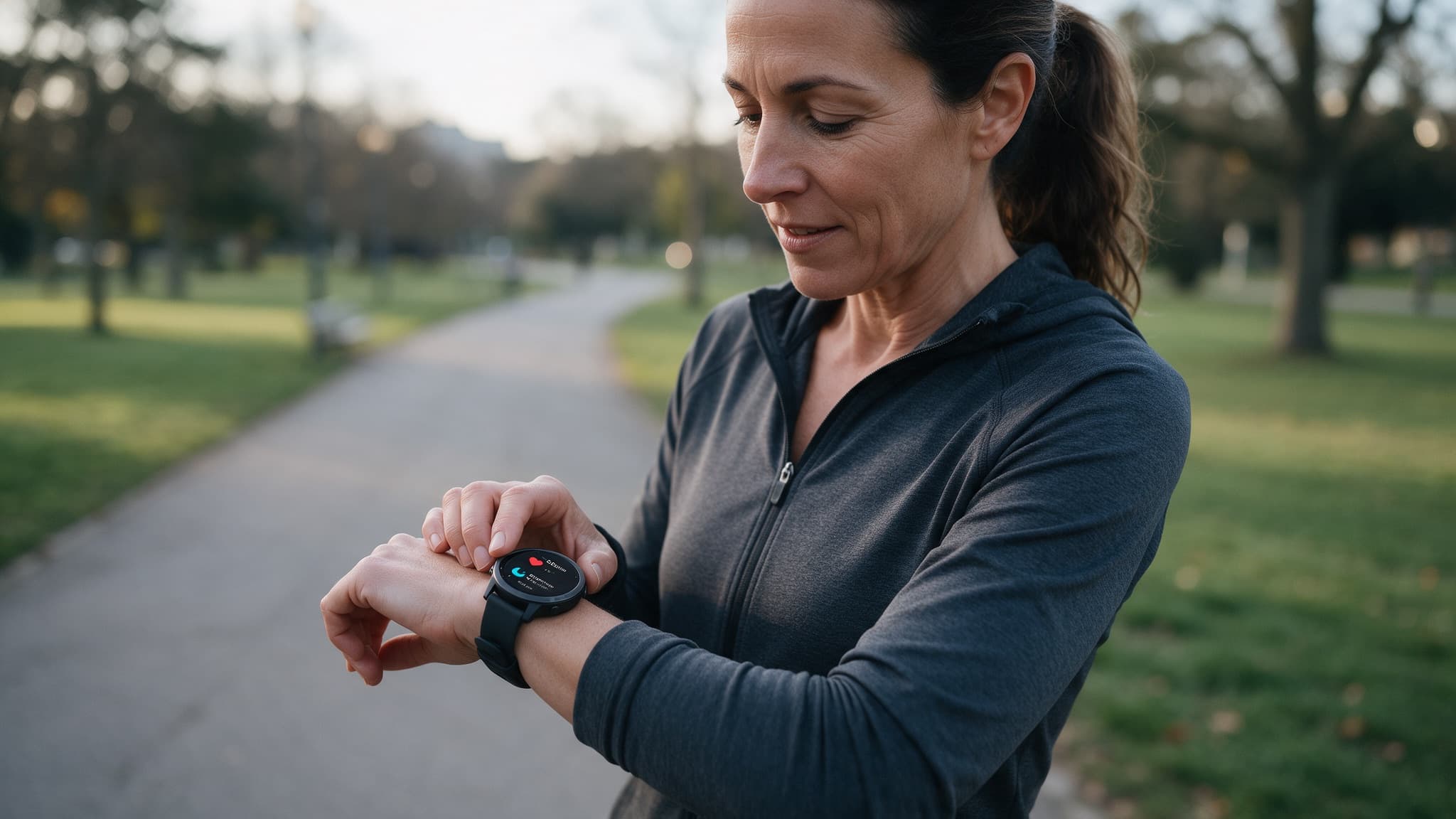
The best daily coaching from a wearable is judged by whether it actually helps you change behavior long-term, not by how many notifications it sends. Garmin's structured training suggestions draw on real, established sports science. Whoop adjusts your daily targets based on real recovery data. Apple Watch's simple activity rings use well-studied psychology around visual progress and maintaining streaks, which is a genuinely evidence-informed approach even though it's simpler than flashier features. Fitbit's step challenges and social features draw on established goal-setting principles. Newer 'AI conversational coach' chat features on various brands are largely unstudied for whether they actually help people change behavior long-term, regardless of how natural the conversation feels.
Daily coaching quality should be judged by evidence for actually changing behavior over time, not by how often a device sends a notification, and this ranking applies that standard where possible. Garmin's structured training coaching ranks well for those with specific exercise goals, since it applies well-documented sports-science principles (periodization, progressive load) to daily workout suggestions, which is a coaching approach with an established methodology behind it even without a device-specific trial. Whoop's recovery-adjusted daily guidance ranks similarly, adjusting daily strain targets based on the previous night's recovery data in a way tied to established recovery-and-training principles. Apple Watch's activity ring system, despite being simpler than more sophisticated 'AI coaching' features on some competitors, has some of the more studied behavior-change mechanisms behind it — the psychology of visual progress tracking and streak maintenance has real behavioral science support, even though Apple Watch itself has not been the subject of independent lifestyle-outcome trials. Fitbit's step count challenges and social/community features rank similarly, drawing on established behavior-change principles around goal-setting and social accountability. Generic 'AI coach' conversational or notification-based features increasingly common across brands rank lowest specifically for coaching effectiveness, since while some incorporate real behavior-change techniques, most have not been independently studied for actual sustained behavior change, and the underlying large-language-model or rules-based coaching logic is proprietary and unvalidated regardless of how natural the interaction feels.
- Daily coaching should be judged on evidence for sustained behavior change, not notification frequency.
- Garmin's structured training coaching applies established sports-science principles to daily guidance.
- Apple Watch's simple activity rings draw on well-studied behavioral psychology around visual progress and streaks.
- Fitbit's step challenges and social features draw on established goal-setting and accountability principles.
- Newer 'AI conversational coach' features are largely unstudied for actual sustained behavior change, regardless of brand.
Wearables ranked on coaching approach and evidence
Ranked on: whether the coaching approach draws on established behavior-change or sports-science principles, and the strength of evidence for the specific implementation.
| # | Option | Verdict | Grade |
|---|---|---|---|
| 1 | Garmin structured training coaching | Applies well-documented sports-science principles | GRADE BPromising |
| 2 | Whoop recovery-adjusted daily guidance | Ties daily targets to established recovery-training principles | GRADE BPromising |
| 3 | Apple Watch activity rings | Simple, but backed by well-studied behavioral psychology | GRADE BPromising |
| 4 | Fitbit step challenges and social features | Draws on established goal-setting and accountability principles | GRADE BPromising |
| 5 | Generic 'AI conversational coach' features | Largely unstudied for sustained behavior change | GRADE CEarly |
- 01
Garmin structured training coaching
GRADE BPromisingApplies well-documented sports-science principlesDaily workout suggestions apply established periodization and progressive-load principles from sports science to an individual's training data, providing a coaching approach with real methodological grounding, particularly valuable for someone with specific structured exercise goals.
- 02
Whoop recovery-adjusted daily guidance
GRADE BPromisingTies daily targets to established recovery-training principlesAdjusts recommended daily strain targets based on the previous night's recovery data, applying established principles about balancing training stress and recovery, providing a genuinely data-responsive coaching approach for those focused on training optimization.
- 03
Apple Watch activity rings
GRADE BPromisingSimple, but backed by well-studied behavioral psychologyThe visual progress tracking and streak-maintenance mechanics behind the activity ring system draw on genuinely well-studied behavioral psychology principles around goal visualization and consistency motivation, even though the feature itself is simpler than more elaborate 'AI coaching' offered elsewhere.
- 04
Fitbit step challenges and social features
GRADE BPromisingDraws on established goal-setting and accountability principlesStep count challenges and social community features draw on established behavior-change principles around specific goal-setting and social accountability, which have reasonable general behavioral-science support even without device-specific trials.
- 05
Generic 'AI conversational coach' features
GRADE CEarlyLargely unstudied for sustained behavior changeNewer conversational or notification-based AI coaching features across various brands may incorporate some real behavior-change techniques, but most have not been independently studied for actual sustained behavior change, and the underlying coaching logic is proprietary and unvalidated regardless of how natural the interaction feels.
Behavior-change principles behind each approach
Coaching approach and its behavioral basis
| Coaching approach | Behavior-change principle applied | Brand example |
|---|---|---|
| Periodized training suggestions | Progressive overload, planned recovery (sports science) | Garmin |
| Recovery-adjusted daily targets | Balancing training stress and recovery | Whoop |
| Visual progress rings and streaks | Goal visualization, consistency motivation (behavioral psychology) | Apple Watch |
| Step challenges and social features | Specific goal-setting, social accountability | Fitbit |
| Conversational AI coaching | Varies; often unclear which established technique, if any, is applied | Various brands |
Frequently asked questions
What health wearable is best for daily coaching?
It depends on the coaching approach that suits you: Garmin's structured training coaching applies well-documented sports-science principles, Whoop's recovery-adjusted guidance ties daily targets to recovery data, Apple Watch's simple activity rings draw on well-studied behavioral psychology, and Fitbit's challenges use established social accountability principles. Newer AI conversational coaching features on various brands lack independent evidence for sustained behavior change.
Are AI conversational coaching features on wearables effective?
Most have not been independently studied for actual sustained behavior change, even when they incorporate elements of real behavior-change techniques, and the underlying proprietary coaching logic varies by brand without clear published evidence, making this the least evidence-backed category of coaching feature currently available.
Why are Apple Watch's simple activity rings considered good coaching?
Despite being simpler than more elaborate AI-branded coaching features, the visual progress tracking and streak-maintenance mechanics draw on well-studied behavioral psychology principles around goal visualization and consistency motivation, giving this simple approach genuine grounding in established behavior-change research.
Is Garmin's coaching better than Whoop's for daily guidance?
They serve somewhat different purposes: Garmin's structured training coaching applies periodization principles well-suited to someone with specific exercise goals, while Whoop's recovery-adjusted daily guidance focuses more narrowly on balancing daily training stress against recovery, making the better choice dependent on which specific coaching focus matches your goals.
Do step challenges and social features on Fitbit actually help with motivation?
They draw on established behavior-change principles around specific goal-setting and social accountability, which have reasonable general behavioral-science support, though Fitbit-specific trials of these exact features for sustained long-term behavior change are limited, similar to most wearable coaching features discussed here.
Should I trust a wearable's daily coaching to actually change my habits long-term?
Coaching approaches drawing on established principles (structured training, recovery-based adjustment, visual progress tracking, social accountability) have reasonable behavioral grounding, but even these have limited device-specific, independently published trial evidence for sustained behavior change, so treat any wearable's coaching as a helpful support tool rather than a guaranteed solution.
Keep reading
- Best AI-powered health coaching program for lifestyle improvement.
The broader coaching-program evidence beyond wearables specifically.
- Which wearable offers most actionable longevity recommendations?
The related actionability test applied to recommendations generally.
- Best smartwatch with AI coaching for healthy habits.
A more detailed comparison of AI coaching features specifically.
- Free stack check
A coaching conversation with an actual pharmacist about your habits.
More in Wearables & devices
- Best snoring solutions, ranked by evidence.
Mandibular advancement devices have real randomised-trial evidence for snoring and mild-to-moderate apnea; positional therapy and nasal strips rank below them.
- Which longevity tech robots offer the most accurate sensors?
Longevity robots are ranked on sensor accuracy against clinical references: validated peripherals beat camera-based fall detection and contactless vitals.
- Best longevity robots with advanced biometric monitoring sensors.
Care-programme telepresence robots rank first for biometric monitoring — validated sensors and a staffed nurse response — ahead of unvalidated consumer devices.
- How to choose longevity robots with reliable health sensors?
Choosing a longevity robot means checking each sensor's validation: attached validated devices pass; built-in contactless vitals and fall detection fail.
- High-end longevity tech robots featuring AI health sensors.
A higher price buys mobility, build quality and voice, not a validated health sensor. Enterprise telepresence robots are the only class with outcome evidence.
- What are the top-rated longevity robots for seniors?
Companion robots like ElliQ rank first for seniors, with sustained daily use and loneliness gains; PARO's best trial matched only a switched-off toy.