Best AI-powered wearable for personalized recovery optimization.
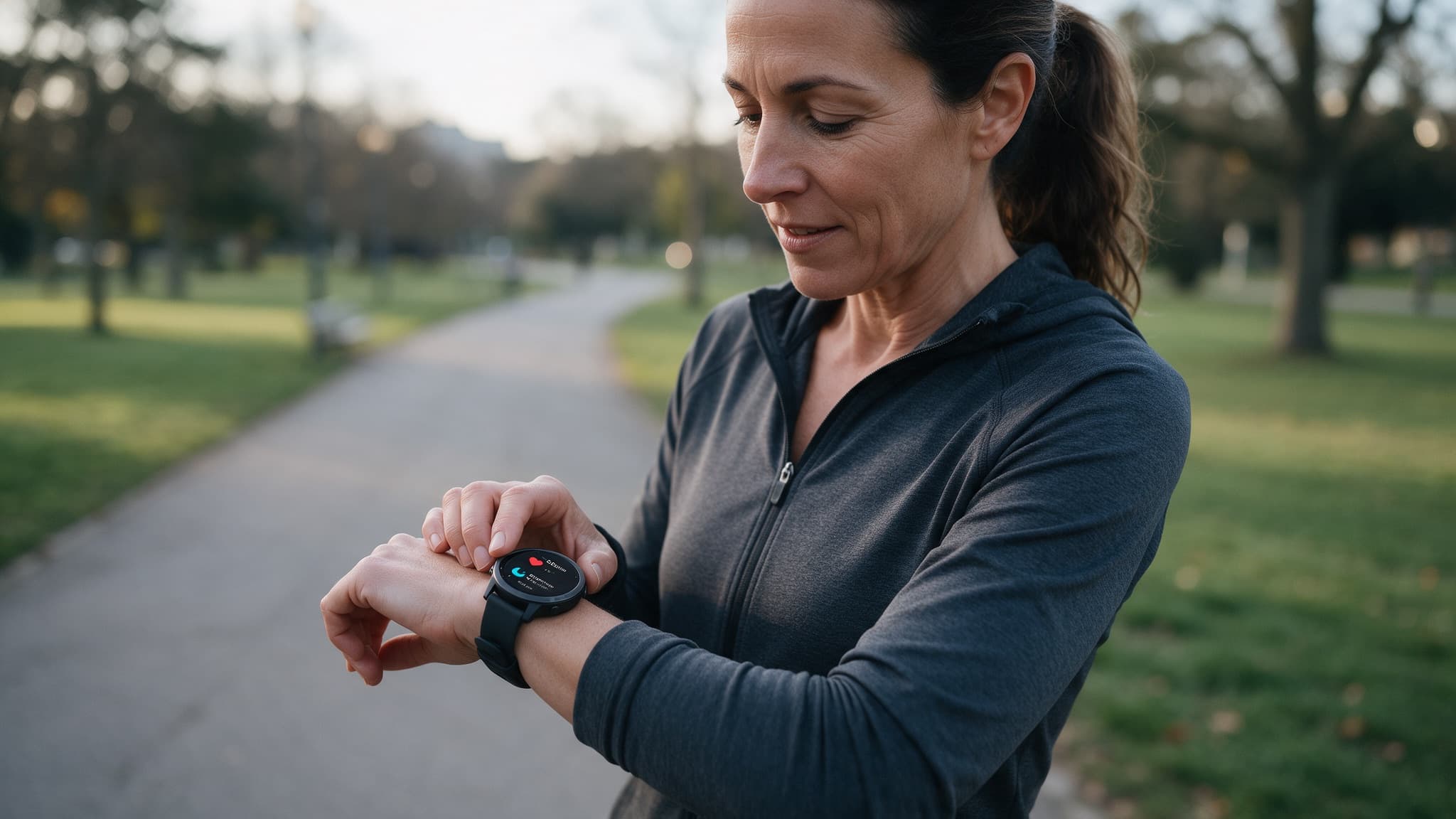
The wearables that most genuinely personalize recovery advice based on your actual data are Whoop, whose daily strain target specifically adjusts based on your own recovery score from the night before, and Garmin, whose training readiness suggestions genuinely change based on your accumulated training and recovery data using established sports science. Oura's readiness score similarly draws on your own sleep and heart rate variability data. Apple Watch and Samsung Galaxy Watch collect useful data but their built-in recovery advice tends to be more generic, defaulting to general activity encouragement rather than a recommendation that meaningfully changes based on your specific recovery state.
Genuinely personalized recovery optimization should be tested the same way as any personalization claim: would a meaningfully different recovery reading actually lead to a meaningfully different recommendation, and this ranking applies that test specifically to recovery-focused features. Whoop ranks highest, since its daily strain target genuinely and specifically adjusts based on the individual's own recovery score from the previous night, providing a concrete, numerically different recommendation for a well-recovered day versus a poorly-recovered day, representing real personalization tied directly to individual data. Garmin ranks close behind, with its training readiness and recovery time estimates genuinely adjusting specific training suggestions based on accumulated training load and recovery data, applying established sports-science principles in a way that meaningfully differs between individuals and days based on their actual data. Oura's readiness score and associated activity suggestions rank similarly, drawing on the individual's own sleep and HRV data specifically. Apple Watch and Samsung Galaxy Watch rank lower specifically for personalized recovery optimization, since while they collect relevant data (heart rate, some HRV), their built-in recovery-adjacent recommendations are generally less individualized and more likely to default to general activity encouragement regardless of the specific recovery data collected, representing a real gap between data collection and truly personalized output on these platforms compared with devices built specifically around recovery optimization.
- The test for genuine personalization: would a different recovery reading actually change the specific recommendation given?
- Whoop's daily strain target genuinely and numerically adjusts based on individual recovery data.
- Garmin's training readiness estimates apply established sports-science principles to individual data in a genuinely adjusting way.
- Oura's readiness score draws on individual sleep and HRV data for its recommendations.
- Apple Watch and Samsung Galaxy Watch collect relevant data but their recovery-adjacent recommendations are generally less individualized.

Whoop
A concrete, numerically different daily target based on individual data
See the full rankingWearables ranked on genuinely personalized recovery recommendations
Ranked on: whether the recovery recommendation genuinely and specifically adjusts based on the individual's own data, tested by whether meaningfully different readings would produce meaningfully different advice.
| # | Option | Verdict | Grade |
|---|---|---|---|
| 1 | Whoop | A concrete, numerically different daily target based on individual data | GRADE AEstablished |
| 2 | Garmin | Training suggestions genuinely adjust based on accumulated individual data | GRADE AEstablished |
| 3 | Oura | Readiness score and suggestions draw on individual sleep and HRV data | GRADE BPromising |
| 4 | Apple Watch and Samsung Galaxy Watch | Collect relevant data; recommendations are generally less individualized | GRADE CEarly |
- 01
Whoop
GRADE AEstablishedA concrete, numerically different daily target based on individual dataThe daily strain target genuinely and specifically adjusts based on the individual's own recovery score from the previous night, providing a numerically different, specific recommendation for a well-recovered day versus a poorly-recovered day, representing genuine personalization tied directly to individual data.
- 02
Garmin
GRADE AEstablishedTraining suggestions genuinely adjust based on accumulated individual dataTraining readiness and recovery time estimates genuinely adjust specific training suggestions based on accumulated training load and recovery data, applying established sports-science principles in a way that meaningfully differs between individuals and days based on their actual, individual data.
- 03
Oura
GRADE BPromisingReadiness score and suggestions draw on individual sleep and HRV dataThe readiness score and associated activity suggestions draw specifically on the individual's own sleep and heart rate variability data, providing reasonably personalized recommendations, with a focus somewhat more weighted toward sleep-derived readiness than exercise-specific recovery optimization.
- 04
Apple Watch and Samsung Galaxy Watch
GRADE CEarlyCollect relevant data; recommendations are generally less individualizedCollect relevant heart rate and some HRV data, but built-in recovery-adjacent recommendations are generally less individualized and more likely to default to general activity encouragement regardless of the specific recovery data collected, representing a gap between data collection and genuinely personalized output compared with devices built specifically around recovery optimization.


The personalization test, applied to recovery features
Would different recovery data actually change the recommendation?
| Device | Well-recovered reading | Poorly-recovered reading | Does the recommendation actually differ? |
|---|---|---|---|
| Whoop | High recovery score | Low recovery score | Yes — a specific, numerically different daily strain target |
| Garmin | Good training readiness | Poor training readiness | Yes — specific training intensity adjustment suggested |
| Oura | High readiness score | Low readiness score | Yes, generally — activity suggestions adjust |
| Apple Watch / Samsung (built-in features) | Any recovery-relevant data | Any different recovery-relevant data | Often not — general activity encouragement regardless |
Frequently asked questions
What is the best AI-powered wearable for personalized recovery optimization?
Whoop ranks highest, with its daily strain target genuinely and specifically adjusting based on your own recovery data. Garmin ranks similarly, with training readiness suggestions that genuinely adjust based on accumulated individual training and recovery data. Oura's readiness score also draws specifically on individual sleep and HRV data. Apple Watch and Samsung Galaxy Watch collect relevant data but their built-in recovery recommendations are generally less individualized.
Does Whoop's recovery score actually personalize its recommendations?
Yes, in a testable way: the daily strain target changes to a specific, different number based on your own recovery score from the previous night, meaning a well-recovered day and a poorly-recovered day genuinely produce different, specific guidance rather than the same general advice.
Is Garmin as personalized as Whoop for recovery?
Similarly personalized in its own way: Garmin's training readiness and recovery time estimates genuinely adjust specific training suggestions based on your accumulated individual training and recovery data, applying established sports-science principles, though with a broader training-context focus compared with Whoop's more singular recovery-and-strain emphasis.
Why do Apple Watch and Samsung Galaxy Watch rank lower for personalized recovery specifically?
While they collect relevant heart rate and some HRV data, their built-in recovery-adjacent recommendations tend to default to general activity encouragement regardless of the specific data collected, representing a gap between data collection and genuinely individualized output compared with devices like Whoop or Garmin that are built specifically around recovery optimization.
How can I tell if a wearable's recovery advice is genuinely personalized?
Check whether the specific recommendation would actually be different if your recovery reading had come back meaningfully different — devices with genuine personalization, like Whoop's strain target or Garmin's training readiness, produce a concretely different, specific recommendation, while less personalized features tend to give similar general advice regardless of the underlying data.
Is Oura good for personalized recovery, or mainly for sleep?
Oura's readiness score and associated suggestions do draw specifically on individual sleep and heart rate variability data, providing reasonably personalized recommendations, though its overall focus is somewhat more weighted toward sleep-derived readiness than the exercise-specific recovery optimization that Whoop or Garmin emphasize more directly.
Keep reading
- Which wearable offers most actionable longevity recommendations?
The same personalization test applied more broadly.
- Whoop vs smartwatch, which optimizes performance and recovery?
The direct Whoop comparison in more depth.
- Best smartwatch for athletes focused on longevity metrics.
Where recovery optimization fits into a broader athlete-focused comparison.
- Free stack check
Medicines that can affect the underlying recovery data these devices use.
More in Wearables & devices
- Best snoring solutions, ranked by evidence.
Mandibular advancement devices have real randomised-trial evidence for snoring and mild-to-moderate apnea; positional therapy and nasal strips rank below them.
- Which longevity tech robots offer the most accurate sensors?
Longevity robots are ranked on sensor accuracy against clinical references: validated peripherals beat camera-based fall detection and contactless vitals.
- Best longevity robots with advanced biometric monitoring sensors.
Care-programme telepresence robots rank first for biometric monitoring — validated sensors and a staffed nurse response — ahead of unvalidated consumer devices.
- How to choose longevity robots with reliable health sensors?
Choosing a longevity robot means checking each sensor's validation: attached validated devices pass; built-in contactless vitals and fall detection fail.
- High-end longevity tech robots featuring AI health sensors.
A higher price buys mobility, build quality and voice, not a validated health sensor. Enterprise telepresence robots are the only class with outcome evidence.
- What are the top-rated longevity robots for seniors?
Companion robots like ElliQ rank first for seniors, with sustained daily use and loneliness gains; PARO's best trial matched only a switched-off toy.