Best health wearable for continuous recovery and strain insights.
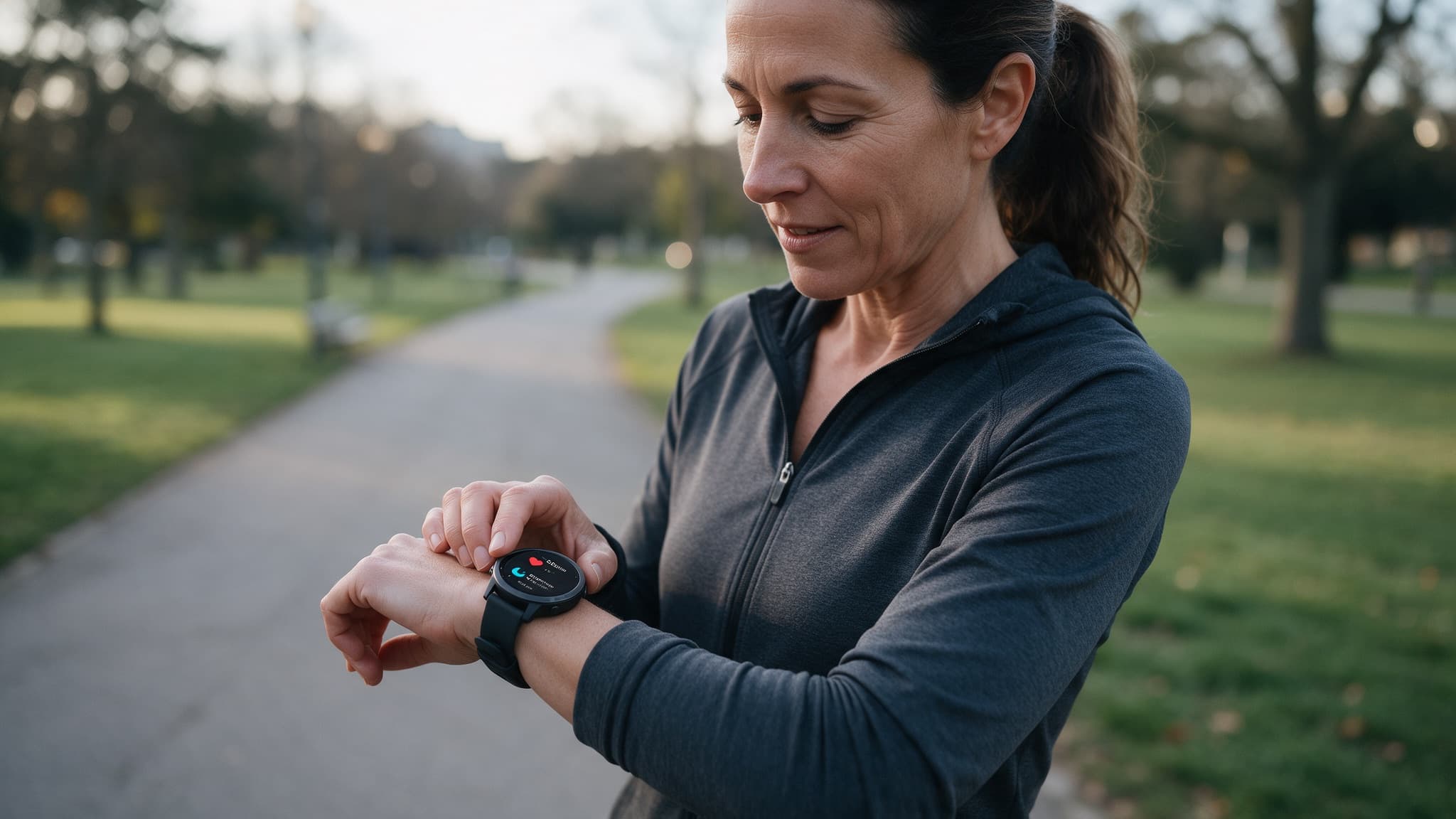
For truly continuous recovery and strain tracking, how long the battery lasts and how comfortable the device is to wear all day and night matters as much as how accurate the sensors are — a watch you take off to charge every night has a gap in exactly the data you're trying to track continuously. Whoop is built specifically for round-the-clock wear with a multi-day battery and no screen to distract from that purpose. Garmin's generally longer battery life across most models also supports more continuous wear than shorter-battery devices. Oura's ring is comfortable enough that many people genuinely wear it continuously, including overnight. Apple Watch's shorter battery life, needing daily charging, can create more frequent gaps in truly continuous data specifically for this purpose, even though its underlying sensors work well.
Continuous recovery and strain tracking depends as much on whether a device is actually worn around the clock as on how accurately it measures the underlying signal, since a data gap from nightly charging or discomfort undermines the entire premise of continuous monitoring, and this ranking weighs both factors together. Whoop ranks highest specifically for genuinely continuous wear, since its screenless design, multi-day battery life and product design specifically for 24/7 wear (including in the shower, with a waterproof design) minimize the gaps in data collection that undermine the value of a recovery and strain metric meant to reflect a continuous physiological state. Garmin ranks second, with generally multi-day battery life across much of its lineup that substantially reduces charging-related data gaps compared with devices requiring daily charging, combined with well-validated training and recovery metrics. Oura ranks similarly for continuous wear specifically, given the ring form factor's comfort advantage for genuinely round-the-clock wear including sleep, though its focus is somewhat more weighted toward sleep-derived readiness than exercise-derived strain specifically. Apple Watch ranks lower specifically for this continuous-tracking purpose, not because its underlying sensors are worse, but because its shorter battery life (typically 18 to 36 hours) creates more frequent charging gaps that can interrupt the continuity that this specific use case depends on, particularly around overnight tracking if charged before bed becomes a regular habit. For genuinely continuous, gap-free recovery and strain data specifically, device design for round-the-clock wear matters as much as sensor accuracy, which favors Whoop, Garmin and Oura over shorter-battery-life smartwatches like Apple Watch for this specific purpose.
- Continuous tracking value depends on actually being worn continuously, not just on sensor accuracy.
- Whoop's screenless, multi-day battery design is specifically built to minimize data gaps from charging.
- Garmin's generally longer battery life across its lineup substantially reduces charging-related gaps compared with shorter-battery devices.
- Oura's ring comfort supports genuinely continuous wear including sleep.
- Apple Watch's shorter battery life can create more frequent data gaps, undermining the continuity this specific use case depends on.

Whoop
Built specifically for genuinely continuous wear
See the full rankingDevices ranked for genuinely continuous recovery and strain tracking
Ranked on: battery life and comfort supporting genuinely continuous, gap-free wear, combined with the quality of the underlying recovery and strain calculation.
| # | Option | Verdict | Grade |
|---|---|---|---|
| 1 | Whoop | Built specifically for genuinely continuous wear | GRADE AEstablished |
| 2 | Garmin | Multi-day battery substantially reduces charging gaps | GRADE BPromising |
| 3 | Oura | Ring comfort supports genuine round-the-clock wear | GRADE BPromising |
| 4 | Apple Watch | Shorter battery life can create more frequent data gaps | GRADE CEarly |
- 01
Whoop
GRADE AEstablishedBuilt specifically for genuinely continuous wearScreenless design, multi-day battery life, and a waterproof form factor built for round-the-clock wear including in the shower minimize the data gaps that undermine continuous tracking, combined with a singular product focus on recovery and strain specifically.
- 02
Garmin
GRADE BPromisingMulti-day battery substantially reduces charging gapsGenerally multi-day battery life across much of its lineup substantially reduces the charging-related data gaps that shorter-battery devices experience, combined with well-validated training and recovery metrics, though the general smartwatch form factor is a somewhat less singular focus than Whoop's design.
- 03
Oura
GRADE BPromisingRing comfort supports genuine round-the-clock wearThe ring form factor's comfort advantage supports genuinely continuous wear for many users, including overnight, with a focus somewhat more weighted toward sleep-derived readiness data than exercise-derived strain specifically compared with Whoop or Garmin.
- 04
Apple Watch
GRADE CEarlyShorter battery life can create more frequent data gapsTypically 18 to 36 hours of battery life requires more frequent charging than Whoop, Garmin or Oura, which can interrupt the continuity that this specific tracking purpose depends on, particularly if charging habits result in gaps during sleep, even though the underlying sensors themselves work reasonably well during worn hours.


What actually determines continuity of data
Battery life and continuity comparison
| Device | Typical battery life | Charging frequency needed | Continuity risk |
|---|---|---|---|
| Whoop | 4–5 days | Can be charged while worn via battery pack, minimizing removal | Low |
| Garmin (varies by model) | Several days to weeks | Infrequent | Low |
| Oura | 4–7 days | Infrequent, and ring can be charged during brief daily activities | Low |
| Apple Watch | 18–36 hours | Daily | Higher — daily charging habit determines actual continuity |
Frequently asked questions
What is the best health wearable for continuous recovery and strain insights?
Whoop is built specifically for genuinely continuous, round-the-clock wear with a screenless design and multi-day battery. Garmin's generally longer battery life across its lineup also substantially reduces charging-related data gaps. Oura's ring comfort supports continuous wear including overnight. Apple Watch's shorter battery life can create more frequent gaps in truly continuous data specifically for this purpose.
Does battery life really matter for recovery tracking accuracy?
It matters for continuity rather than accuracy directly: a device with shorter battery life requires more frequent charging, which can create gaps in the data collection that continuous recovery and strain tracking depends on, even though the underlying sensor accuracy during worn hours may be similar across devices.
Can I charge my Apple Watch without losing continuous tracking?
Only if you charge it at a time that doesn't interrupt sleep or other periods when continuous data matters most, which requires consistent, deliberate charging habits; devices with multi-day battery life like Whoop, Garmin or Oura remove the need for this consideration by requiring much less frequent charging.
Is Whoop's design specifically better for continuous wear than a smartwatch?
Yes, in the specific sense of being purpose-built for round-the-clock wear: its screenless design, multi-day battery and waterproof construction (including for shower use) minimize the data gaps that a smartwatch requiring daily charging and occasional removal would otherwise experience.
Does Oura's ring form factor help with continuous tracking?
Yes — many people find a ring more comfortable than a wrist-worn device for genuinely continuous wear, including sleep, and Oura's multi-day battery life further supports this, though its data focus leans somewhat more toward sleep-derived readiness than exercise-derived strain specifically compared with Whoop or Garmin.
Should continuity of wear matter more than sensor accuracy when choosing a device?
Both matter together — a highly accurate sensor that's only capturing data for 18 hours a day due to charging has an inherent gap that no accuracy improvement can fix, so for genuinely continuous tracking specifically, battery life and comfort for round-the-clock wear deserve at least as much weight as sensor accuracy in the comparison.
Keep reading
- Which wearable gives most accurate recovery and strain insights?
The sensor accuracy side of this comparison in more depth.
- Whoop vs smartwatch, which optimizes performance and recovery?
The direct Whoop comparison including other factors beyond continuity.
- Which fitness wearable is best for long term health?
Battery life as a factor in sustained long-term device use.
- Free stack check
How medicines can affect recovery and strain data continuity.
More in Wearables & devices
- Best snoring solutions, ranked by evidence.
Mandibular advancement devices have real randomised-trial evidence for snoring and mild-to-moderate apnea; positional therapy and nasal strips rank below them.
- Which longevity tech robots offer the most accurate sensors?
Longevity robots are ranked on sensor accuracy against clinical references: validated peripherals beat camera-based fall detection and contactless vitals.
- Best longevity robots with advanced biometric monitoring sensors.
Care-programme telepresence robots rank first for biometric monitoring — validated sensors and a staffed nurse response — ahead of unvalidated consumer devices.
- How to choose longevity robots with reliable health sensors?
Choosing a longevity robot means checking each sensor's validation: attached validated devices pass; built-in contactless vitals and fall detection fail.
- High-end longevity tech robots featuring AI health sensors.
A higher price buys mobility, build quality and voice, not a validated health sensor. Enterprise telepresence robots are the only class with outcome evidence.
- What are the top-rated longevity robots for seniors?
Companion robots like ElliQ rank first for seniors, with sustained daily use and loneliness gains; PARO's best trial matched only a switched-off toy.