Best AI health smartwatch for longevity and recovery tracking.
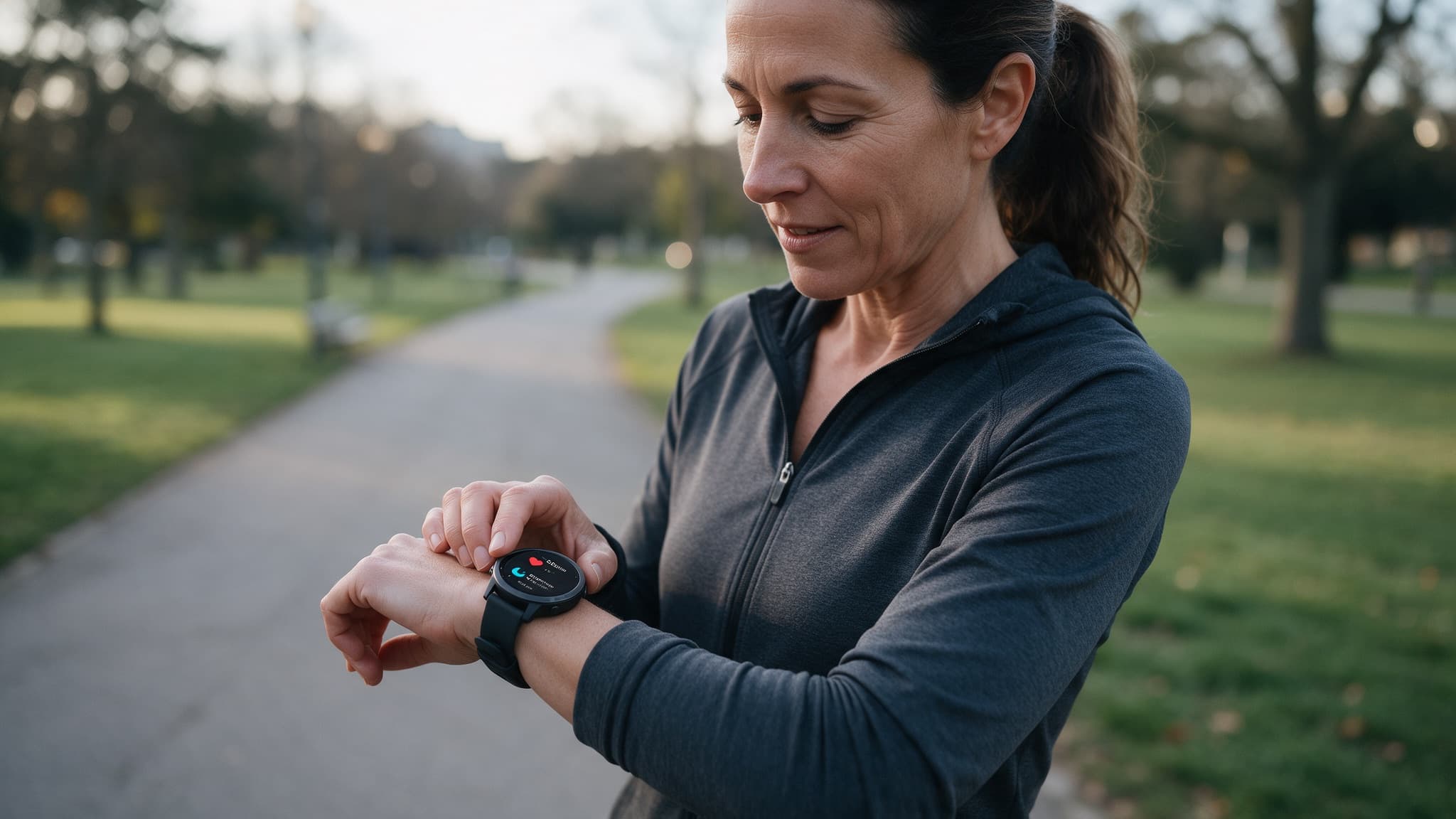
If you want one watch that does both cardiac health monitoring and recovery tracking reasonably well, Garmin currently offers the best single-device balance, with strong training and recovery data plus heart rate and blood oxygen alerts, without a subscription. Apple Watch and Samsung Galaxy Watch have the strongest heart rhythm monitoring specifically, with decent but less specialized recovery data than Garmin. Whoop is the best at recovery and strain tracking specifically but has no heart rhythm monitoring at all, so if both priorities genuinely matter equally to you, you'd need to wear Whoop alongside a cardiac-capable smartwatch, which adds cost and complexity.
Combining longevity-relevant health monitoring (cardiac safety, general health markers) with recovery tracking (training strain, HRV-based readiness) in one device requires a genuine trade-off, since the devices that excel most singularly at each priority are not the same, and this ranking is explicit about what each combination gains and gives up. Garmin ranks highest for the best single-device balance of both priorities, offering well-validated training and recovery metrics alongside pulse oximetry and heart rate alerts, without the cleared cardiac rhythm features of Apple Watch but with strong performance across both domains in one device without needing a subscription. Apple Watch ranks second, offering the strongest cardiac safety features (cleared irregular rhythm notification) of any device on this list, with reasonable general recovery-adjacent data, though less specialized and less deeply validated for recovery and strain specifically than Garmin or Whoop. Samsung Galaxy Watch ranks similarly to Apple Watch for the same reason, with comparable cardiac clearance and general fitness tracking. Whoop, despite excelling most singularly at recovery and strain tracking specifically, ranks lower for this combined purpose specifically because it entirely lacks cardiac rhythm monitoring features and general smartwatch health functions, meaning someone prioritizing both would need to pair it with a separate device, adding cost and complexity. For someone who genuinely needs both priorities well-served in a single device, Garmin currently offers the strongest overall balance; for someone who can prioritize one over the other, Apple Watch or Samsung Galaxy Watch for cardiac safety, or Whoop for the deepest specific recovery focus, remain the stronger single-priority choices.
- No single device is the singular best at both cardiac safety and specialized recovery tracking simultaneously.
- Garmin offers the strongest single-device balance of both priorities without a subscription requirement.
- Apple Watch and Samsung Galaxy Watch offer the strongest cardiac safety features but less specialized recovery data than Garmin or Whoop.
- Whoop excels most singularly at recovery specifically but entirely lacks cardiac rhythm monitoring.
- Combining Whoop with a cardiac-capable smartwatch is an option for those unwilling to compromise on either priority, at added cost and complexity.

Garmin
The strongest single-device balance of both priorities
See the full rankingDevices ranked for the combined priority
Ranked on: the overall balance of cardiac safety features and recovery/strain tracking depth in a single device, without requiring a second device or subscription.
| # | Option | Verdict | Grade |
|---|---|---|---|
| 1 | Garmin | The strongest single-device balance of both priorities | GRADE AEstablished |
| 2 | Apple Watch | Strongest cardiac safety; less specialized recovery data | GRADE BPromising |
| 3 | Samsung Galaxy Watch | Comparable cardiac clearance to Apple Watch | GRADE BPromising |
| 4 | Whoop (alone) | Excels at recovery specifically; entirely lacks cardiac monitoring | GRADE CEarly |
- 01
Garmin
GRADE AEstablishedThe strongest single-device balance of both prioritiesOffers well-validated training load and recovery metrics alongside pulse oximetry and heart rate alerts in one device without a subscription requirement, providing the strongest overall balance for someone genuinely wanting both cardiac-adjacent monitoring and recovery tracking, though without the specifically cleared cardiac rhythm notification feature of Apple Watch or Samsung.
- 02
Apple Watch
GRADE BPromisingStrongest cardiac safety; less specialized recovery dataOffers the strongest cleared cardiac safety feature (irregular rhythm notification) of any device discussed here, with reasonable general recovery-adjacent data, though less deeply specialized and validated for recovery and strain tracking specifically than Garmin or Whoop.
- 03
Samsung Galaxy Watch
GRADE BPromisingComparable cardiac clearance to Apple WatchOffers similar cardiac rhythm monitoring clearance and general fitness tracking to Apple Watch, making it a comparable choice for this combined priority, generally coming down to ecosystem preference over Apple Watch specifically.
- 04
Whoop (alone)
GRADE CEarlyExcels at recovery specifically; entirely lacks cardiac monitoringThe deepest, most specialized recovery and strain tracking of any device here, entirely absent any cardiac rhythm monitoring or general smartwatch health functions, meaning it ranks lower specifically for this combined purpose unless paired with another device.


The trade-off, made explicit
What each option gains and gives up
| Option | Cardiac safety strength | Recovery/strain tracking strength | Extra cost or complexity |
|---|---|---|---|
| Garmin alone | Moderate (heart rate/pulse ox alerts, not cleared rhythm detection) | Strong (well-validated training/recovery) | None — single device, no subscription |
| Apple Watch alone | Strong (cleared rhythm notification) | Moderate (general recovery data, less specialized) | None — single device, no subscription |
| Samsung Galaxy Watch alone | Strong (comparable clearance to Apple) | Moderate | None |
| Whoop alone | None | Strongest (singular recovery/strain focus) | Ongoing subscription |
| Whoop + Apple Watch/Samsung together | Strong | Strongest | Two devices, plus Whoop subscription |
Frequently asked questions
What is the best AI health smartwatch for longevity and recovery tracking combined?
Garmin offers the strongest single-device balance of both priorities, with well-validated training and recovery data alongside heart rate and pulse oximetry alerts, without a subscription. Apple Watch and Samsung Galaxy Watch offer stronger cardiac safety specifically with less specialized recovery data. Whoop excels most at recovery tracking specifically but lacks cardiac rhythm monitoring entirely.
Can I get both strong cardiac monitoring and deep recovery tracking in one device?
Not at the highest level of both simultaneously with current devices — Garmin offers the best single-device balance, but for the strongest version of both priorities specifically, some people pair Whoop (for recovery) with Apple Watch or Samsung Galaxy Watch (for cardiac safety), accepting the cost and complexity of wearing two devices.
Why doesn't Whoop have cardiac rhythm monitoring like Apple Watch?
Whoop's screenless design and product focus are built entirely around recovery and strain tracking, and it does not include the cleared irregular rhythm notification or ECG functionality found on Apple Watch and Samsung Galaxy Watch, which is a deliberate product design choice reflecting its specialized focus.
Is Garmin's recovery tracking as good as Whoop's?
Garmin's training status and body battery features are built on well-documented sports-science methodology and offer strong recovery-relevant data, though Whoop's singular focus and dedicated development history give it a slight edge for recovery and strain tracking specifically, at the cost of lacking Garmin's broader functionality and cardiac-adjacent features.
Should I wear two devices to get the best of both worlds?
This is a reasonable option for someone who genuinely needs the strongest version of both cardiac safety and recovery tracking and is willing to accept the added cost (including Whoop's ongoing subscription) and complexity of wearing two devices; for most people, a single well-chosen device like Garmin offers a reasonable balance without that added complexity.
Which single watch should I choose if I can only pick one?
If overall balance matters most, Garmin is the strongest single-device choice. If cardiac safety is your higher priority, choose Apple Watch or Samsung Galaxy Watch. If deep recovery and strain tracking specifically is your priority and cardiac monitoring is not a current concern, Whoop remains the most specialized choice.
Keep reading
- Which AI health smartwatch is best for longevity?
The broader single-priority ranking this combined comparison draws from.
- Whoop vs smartwatch, which optimizes performance and recovery?
The direct Whoop comparison in more depth.
- Best advanced smartwatch for long-term cardiovascular monitoring.
The cardiac safety side of this combined priority in more depth.
- Free stack check
How your medicines affect both cardiac readings and recovery data.
More in Wearables & devices
- Best snoring solutions, ranked by evidence.
Mandibular advancement devices have real randomised-trial evidence for snoring and mild-to-moderate apnea; positional therapy and nasal strips rank below them.
- Which longevity tech robots offer the most accurate sensors?
Longevity robots are ranked on sensor accuracy against clinical references: validated peripherals beat camera-based fall detection and contactless vitals.
- Best longevity robots with advanced biometric monitoring sensors.
Care-programme telepresence robots rank first for biometric monitoring — validated sensors and a staffed nurse response — ahead of unvalidated consumer devices.
- How to choose longevity robots with reliable health sensors?
Choosing a longevity robot means checking each sensor's validation: attached validated devices pass; built-in contactless vitals and fall detection fail.
- High-end longevity tech robots featuring AI health sensors.
A higher price buys mobility, build quality and voice, not a validated health sensor. Enterprise telepresence robots are the only class with outcome evidence.
- What are the top-rated longevity robots for seniors?
Companion robots like ElliQ rank first for seniors, with sustained daily use and loneliness gains; PARO's best trial matched only a switched-off toy.